Ingredient comparison
Hypochlorous Acid vs Rigin: which one is right for your skin?
Same comparison whichever way you searched it: Rigin vs Hypochlorous Acid.
Short answer: Hypochlorous Acid has the stronger evidence, so it is the more reliable choice for real results. Rigin is promising, but treat it as a nice-to-have rather than the one doing the work.
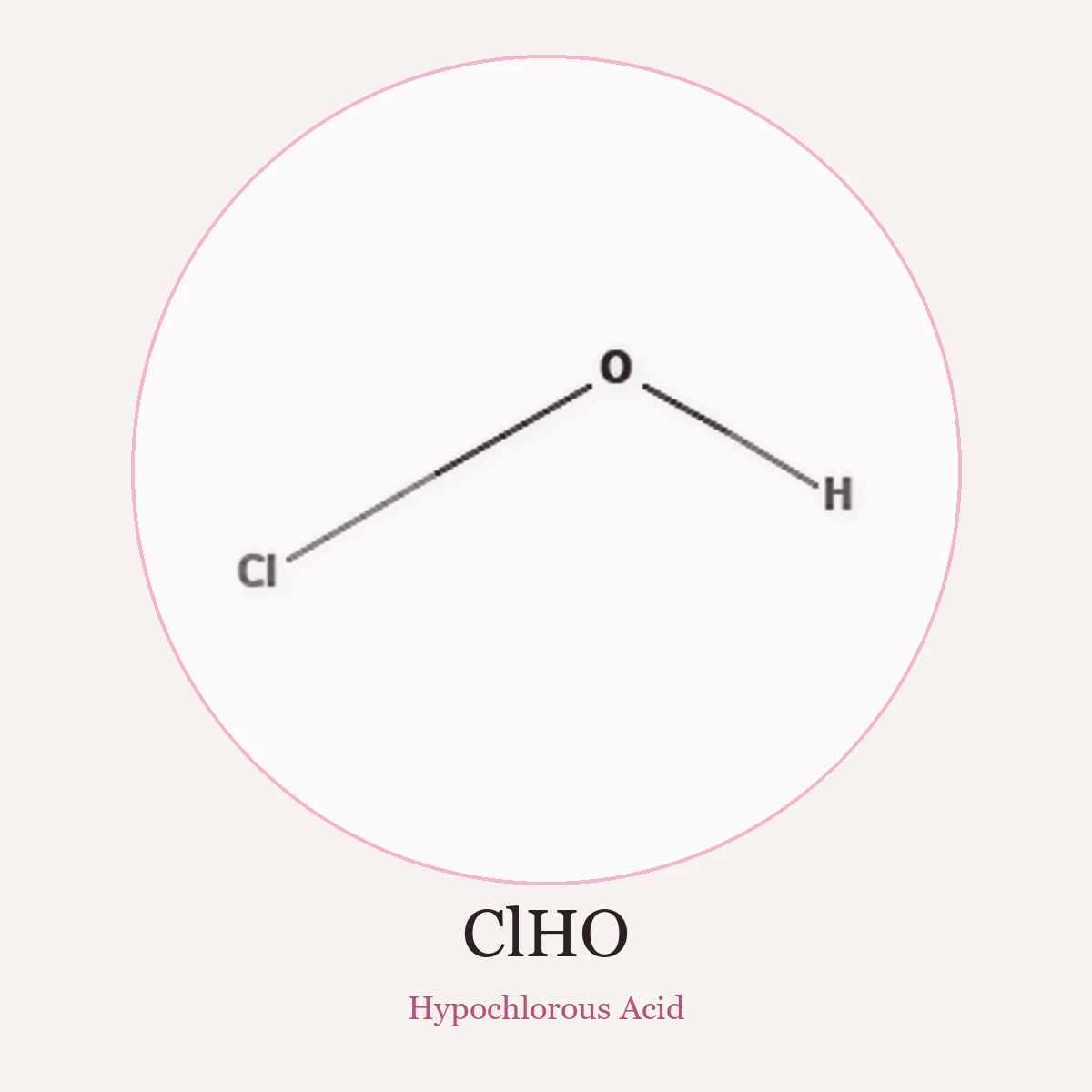
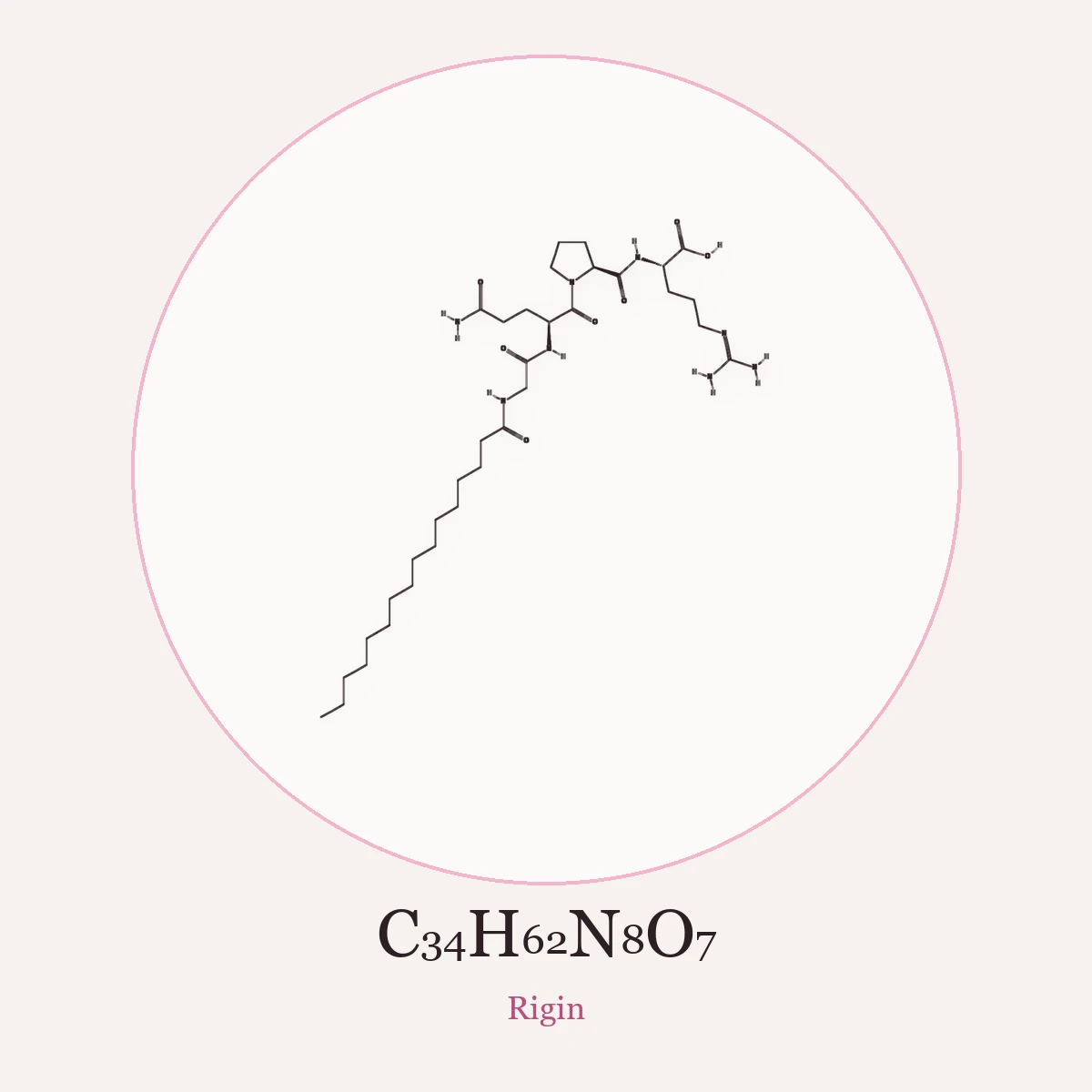
| Compared | Hypochlorous Acid | Rigin |
|---|---|---|
| Potency | Similar | Similar |
| Evidence | moderate evidence | weak evidence |
| Irritation risk | Low | Low |
| Clogs pores | Low | Low |
| In pregnancy | Considered safe | Considered safe |
| pH-dependent | Needs the right pH | No |
| On a label | usually effective at 0.01-0.1% | Not usually disclosed |
So which should you pick?
Choose Hypochlorous Acid if
- you want the pick with the most research behind it
Choose Rigin if
- you would rather it just work, without depending on the product being at the right pH
The honest bottom line: Hypochlorous Acid has the stronger evidence, so it is the more reliable choice for real results. Rigin is promising, but treat it as a nice-to-have rather than the one doing the work.
No known clash between these two. If you want both, you can layer them; introduce one at a time.
Check these two in the tool →Or decode a whole product label →From our dataNeither has to be the answer: 67 other ingredients in our glossary share a family with these two.
Hypochlorous Acid vs Rigin, answered
Which is stronger, Hypochlorous Acid or Rigin?
They are close in strength: Hypochlorous Acid and Rigin score similarly on efficacy. Choose by skin type rather than power.
Is Hypochlorous Acid or Rigin better for sensitive skin?
Both carry a similar irritation risk (low). Patch test either one before using it daily.
Can you use Hypochlorous Acid and Rigin together?
There is no known clash between them. You can layer them if you like, just introduce one at a time.
General guidance, not medical advice. Read the full pages on Hypochlorous Acid and Rigin.